
In today’s digital-first world, businesses cannot rely only on traditional marketing. Consumers spend hours a day scrolling through social media platforms like Instagram, Facebook, YouTube, TikTok, LinkedIn, and X (Twitter). This is where brands win attention, generate leads, and close sales.
Social media advertising has evolved into one of the most powerful marketing channels for businesses of every size. Whether you are a small business owner, a startup, or a large enterprise, leveraging paid social media ads can help you reach the right customers at the right time with the right message.
What is Social Media Advertising?
Social media advertising refers to paid marketing campaigns run on social platforms to promote products, services, or content to a targeted audience. Unlike organic posts — which rely on unpaid reach — paid ads guarantee visibility and allow you to target users by:
- Age & gender
- Location
- Interests & behavior
- Search intent
- Job role & industry (LinkedIn)
- Custom audiences (website visitors, email list, etc.)
In simple terms — you pay platforms like Facebook or Instagram to show your ads to people who are most likely to take action.
Why Social Media Advertising Matters in 2025

In 2025, social media advertising isn’t just a marketing trend — it’s the backbone of digital success. With algorithms evolving, audiences becoming more selective, and competition rising across every industry, businesses can no longer rely on organic reach alone. Paid social media advertising has become the most strategic, data-driven, and cost-effective way to grow a brand online.
Here’s why it matters more than ever this year:
-
1. Precision Targeting:
Advanced AI and machine learning now allow advertisers to reach ultra-specific audiences based on interests, behaviors, and purchase intent. This means every dollar spent reaches people most likely to convert. -
2. Rising Mobile Usage:
With users spending over 3 hours a day on mobile social apps, your brand’s visibility depends on showing up where your customers already are — in their feeds, stories, and reels. -
3. Shoppable Social Experiences:
Platforms like Instagram, Facebook, and TikTok have transformed into digital marketplaces. Customers can now discover, explore, and buy your products without leaving the app, making social ads a direct revenue driver. -
4. Measurable ROI:
Social ads give you clear, real-time insights into performance — from impressions to conversions. Unlike traditional marketing, every action can be tracked and optimized for better returns. -
5. Brand Trust and Relevance:
Consumers expect brands to be active, authentic, and engaging on social media. Paid ads help maintain visibility, build credibility, and keep your brand top-of-mind.
In short, 2025 is the year of intelligent, performance-driven advertising. Businesses that embrace social media ads today are not just gaining visibility — they’re building sustainable growth and future-proofing their brand.
With billions of users online, social media is no longer optional — it is business survival.
Key Reasons Social Media Ads Matter:
| Benefit | Explanation |
| Massive global reach | Access billions of users instantly |
| Highly targeted | Show ads only to relevant people |
| Cost-effective | Low budget options for small businesses |
| Measurable results | Track clicks, sales, leads & ROI |
| Great for brand awareness | Build visibility fast |
| Enhances customer engagement | Personalized communication |
| Works for every industry | E-commerce, real estate, education, services, and more |
A decade ago, boosting sales required TV ads or newspaper promotions. Today, a well-set ₹500 or $10 ad on Instagram can bring real customers to your business.
Top Platforms for Social Media Advertising
Different social media platforms serve different business goals. Here are the top paid social platforms in 2025:
- Facebook Ads
Best for: Local businesses, e-commerce, services
Strength: Powerful targeting, wide reach, remarketing
- Instagram Ads
Best for: D2C brands, fashion, beauty, lifestyle, influencers
Strength: Visual storytelling & high engagement
- YouTube Ads
Best for: Brand awareness, tutorials, product demos
Strength: Video ads with high buying intent audiences
Best for: B2B companies, hiring campaigns, professional services
Strength: Job title & industry targeting
- TikTok Ads
Best for: Trend-driven B2C brands, youth-focused brands
Strength: Viral short-form video engagement
- Twitter/X Ads
Best for: News, political, tech & real-time engagement brands
Strength: Real-time audience and trending content
Types of Social Media Ads
Social media platforms offer a wide range of ad formats — each designed to achieve specific goals, from increasing brand awareness to driving conversions. Understanding the different types of social media ads helps businesses choose the right format for their audience and objectives.
Different ad formats suit different business goals. Here are popular ad types:
| Ad Type | Description |
| Image Ads | Static images to showcase product/service |
| Video Ads | Engaging videos for storytelling & education |
| Carousel Ads | Multiple slides for products or step-by-step content |
| Story Ads | Full-screen immersive mobile ads |
| Reels/TikTok Ads | Short video ads to drive engagement |
| Lead Form Ads | Built-in lead capture without website |
| Messenger/DM Ads | Conversation-driven ads |
| Retargeting Ads | Re-engage visitors who interacted earlier |
How Social Media Advertising Works
Social media advertising works by using data-driven strategies to show your content, products, or services to the right audience on platforms like Facebook, Instagram, LinkedIn, X (Twitter), and TikTok. Instead of waiting for people to find your business organically, paid social ads put your brand directly in front of potential customers who are most likely to engage or buy.
Social media advertising runs on auction-based systems. You set:
- Budget
- Target audience
- Ad placement
- Objective (traffic, sales, leads, etc.)
- Creative (image/video + caption)
Platforms deliver your ad to the most relevant audience and optimize for the action you choose — like website visits, leads, or purchases.
Your performance depends on:
- Audience targeting accuracy
- Creative quality
- Offer attractiveness
- Landing page experience
- Budget & bidding strategy
Social Media Advertising Strategies for Maximum ROI
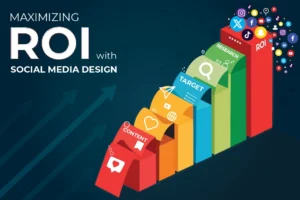
Getting the best return on investment (ROI) from social media advertising requires more than just running ads — it’s about strategy, precision, and continuous optimization. With millions of businesses competing for attention, having a clear plan ensures your ads reach the right audience and drive real results.
To run successful campaigns, follow the strategies below:
1. Define Clear Goals (SMART Framework)
Before launching ads, know what you want to achieve.
Examples:
| Goal | Metrics |
| Brand awareness | Reach & impressions |
| Website traffic | Link clicks & CTR |
| Leads | Form submissions, DM leads |
| Sales | Purchases & ROAS |
| Engagement | Likes, comments, shares |
2. Identify Your Target Audience
Use available targeting tools:
- Age & gender
- Location
- Interests & behavior
- Past interactions
- Lookalike audience
Tip: The more specific your targeting, the higher your ROI.
3. Craft Strong Ad Creatives
Your creative decides if someone pays attention or scrolls past.
Components of winning creatives:
- Eye-catching visuals
- Short and crisp text
- Benefit-focused messaging
- Brand-consistent style
- Clear call-to-action (Shop Now, Learn More, Sign Up)
4. Offer Value — Not Just Promotion
Don’t just sell. Educate, solve problems, entertain, inspire.
Examples:
- Discounts & offers
- Free guides/eBooks
- Product demos
- Customer testimonials
- Behind-the-scenes content
5. Use Retargeting
A user rarely buys at first touch. Retargeting helps convert warm audiences.
Examples of retargeting audiences:
- Website visitors
- Instagram profile visitors
- Add-to-cart users
- Past customers
- Email subscribers
Retargeting can increase conversions by 200%+.
6. Test, Track & Optimize
Important metrics to monitor:
| Metric | Meaning |
| CTR | Click-through rate |
| CPC | Cost per click |
| CPM | Cost per thousand impressions |
| CPL | Cost per lead |
| ROAS | Return on ad spend |
| Bounce rate | Landing page strength |
Marketing success = continuous testing.
Budgeting for Social Media Ads
Budgeting for social media advertising is all about spending smart, not just spending more. A well-planned budget ensures your ad campaigns reach the right audience, deliver measurable results, and maximize return on investment (ROI).
Here’s how to plan your social media ad budget effectively:
1. Define Your Goals
Start by identifying what you want to achieve — whether it’s brand awareness, lead generation, website traffic, or sales. Your budget should align with the campaign’s purpose and desired outcomes.
2. Understand Platform Costs
Each platform has different ad pricing models. For example, Facebook and Instagram often charge per click or impression, while LinkedIn tends to have higher costs due to its professional audience. Research the average CPC (Cost Per Click) and CPM (Cost Per 1,000 Impressions) for your industry.
3. Start Small and Scale Up
Begin with a test budget to analyze which ads perform best. Once you identify high-performing creatives and audiences, gradually increase spending to scale results efficiently.
4. Allocate Budget by Funnel Stage
Distribute your budget across the marketing funnel —
-
Top of Funnel: Awareness and reach campaigns
-
Middle of Funnel: Engagement and lead generation
-
Bottom of Funnel: Retargeting and conversions
This ensures you attract, nurture, and convert potential customers effectively.
5. Monitor and Optimize Continuously
Use analytics to track key metrics such as CTR (Click-Through Rate), CPA (Cost Per Acquisition), and ROAS (Return on Ad Spend). Adjust your budget regularly to focus on ads delivering the best performance.
6. Don’t Forget Creative and Management Costs
Besides ad spend, factor in the cost of visuals, copywriting, and campaign management tools. These play a major role in your overall advertising effectiveness.
Beginners can start small:
- ₹500–₹2000 per day (India)
- $5–$25 per day (Global)
Gradually scale when you see results.
Pro tip: Allocate budget like this:
| Campaign Type | Budget % |
| Cold audience (new users) | 60% |
| Retargeting warm audience | 30% |
| Testing creatives | 10% |
Future Trends in Social Media Advertising

As we move deeper into 2025 and beyond, social media advertising continues to evolve at lightning speed. New technologies, smarter algorithms, and shifting consumer behaviors are reshaping how brands connect with their audiences. To stay ahead, businesses need to understand where social media advertising is heading next.
2025 social media ad trends include:
- AI-powered ad optimization
- Automation in bidding & targeting
- Growth of influencer ads & UGC content
- Voice-activated ads
- Native & shoppable ads
- More privacy-focused targeting models
Brands that adopt AI and quality content early will dominate.
Conclusion
Social media advertising is no longer optional — it’s a game-changing growth engine for modern businesses. With billions of active users scrolling through platforms like Facebook, Instagram, LinkedIn, and TikTok every day, paid social ads give you unmatched access to your target audience.
From brand awareness and lead generation to sales conversions and customer retention, social media advertising allows you to reach the right people at the right time with the right message. It provides measurable results, real-time insights, and the flexibility to adapt your strategy for maximum ROI.
When executed strategically, social media ads don’t just drive clicks — they build communities, strengthen brand loyalty, and accelerate business growth. In today’s competitive digital world, investing in paid social isn’t just about visibility — it’s about staying relevant, competitive, and ahead of the curve.
Author : Shilpa VK
